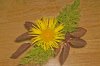
A
weed in a general sense is a
plant that is considered by the user of the term to be a nuisance, and normally applied to unwanted plants in human-made settings such as
gardens,
lawns or
agricultural areas, but also in parks, woods and other natural areas. More specifically, the term is often used to describe
native or nonnative plants that grow and reproduce aggressively.
[1] Generally, a weed is a plant in an undesired place.
Weeds may be unwanted for a number of reasons: they might be unsightly, or crowd out or restrict light to more desirable plants or use limited
nutrients from the
soil. They can harbor and spread plant
pathogens that infect and degrade the quality of
crop or
horticultural plants. Some weeds are a nuisance because they have thorns or prickles, some have chemicals that cause skin irritation or are hazardous if eaten, or have parts that come off and attach to fur or clothes.
The term
weed in its general sense is a subjective one, without any classification value, since a "weed" is not a weed when growing where it belongs or is wanted. Indeed, a number of "weeds" have been used in gardens or other cultivated-plant settings. An example is the
corncockle,
Agrostemma, which was a common field weed exported from
Europe along with
wheat, but now sometimes grown as a garden plant.
[2]
Professor
Richard C. Lewontin of
Harvard University defines weeds as plants that create environmental conditions in which it cannot reproduce. He takes the example of pine trees that crowd out sunlight such that its own offspring cannot grow. Weeds continue to exist, because the environment is continually being disturbed to create open conditions for new generations, such as forest fires and human activity.
[3]